Walking Pad vs Regular Treadmill for Home Use (2026)
Evidence note: This comparison uses manufacturer specifications, published research, and independently reported owner feedback. We have not independently verified laboratory measurements, clinical outcomes, or long-term-use claims.
Featured Snippet: Walking pads and traditional treadmills serve different needs for home cardio. Walking pads are compact (folding), affordable ($200–$400), nearly silent, and ideal for desk walking or small apartments. Regular treadmills offer higher weight capacity (up to 400 lbs), better for running, and built-in incline. Choose a walking pad for space and budget; choose a treadmill if you run or need high durability for 5+ users.
Table of Contents
- Quick Comparison: Walking Pad vs Treadmill
- What Is a Walking Pad?
- What Is a Regular Treadmill?
- Space & Storage Requirements
- Noise Levels: Which Is Quieter?
- Price Breakdown
- Durability & Lifespan
- Performance Comparison Table
- Safety & Weight Capacity
- User Experience: Real Feedback
- Frequently Asked Questions
- Our Verdict
- Sources & Methodology
Quick Comparison: Walking Pad vs Treadmill
| Feature | Walking Pad | Regular Treadmill |
|---|---|---|
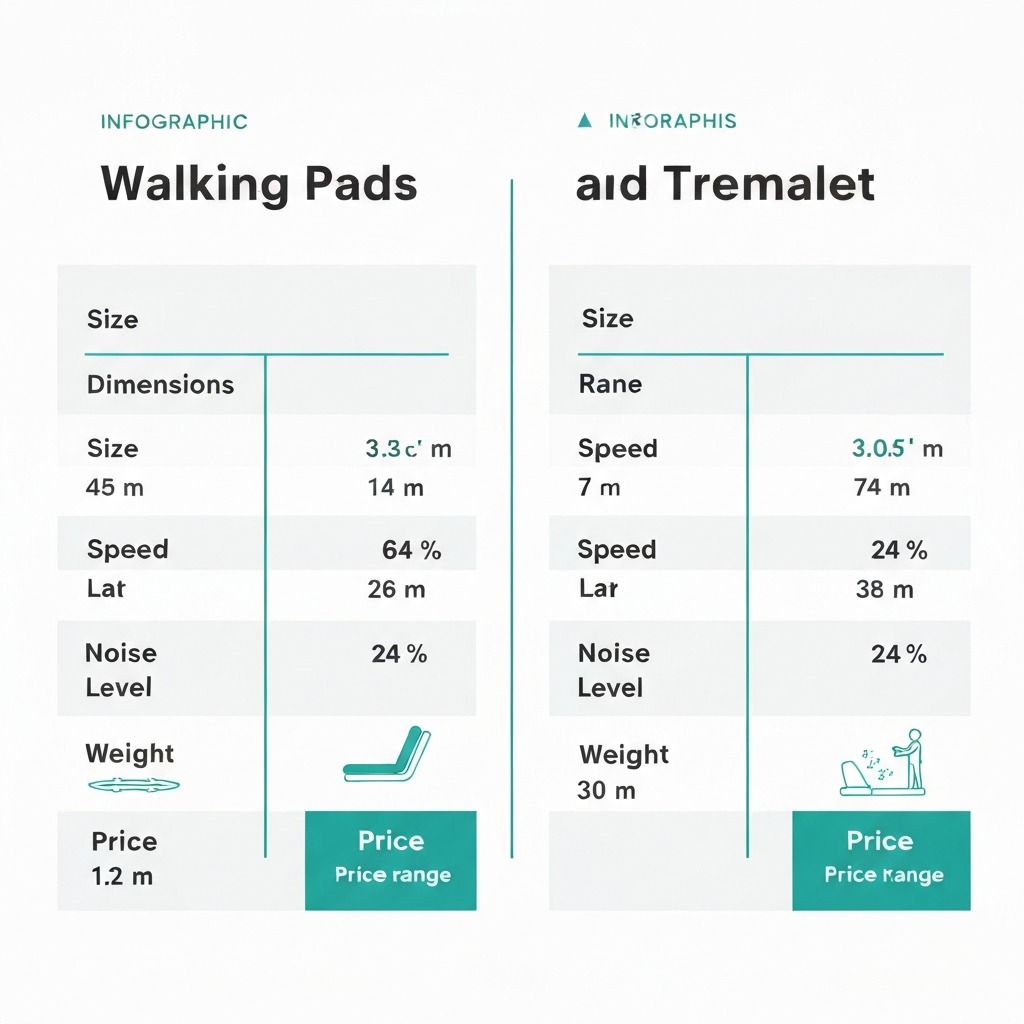
| Size | Compact (5' × 2') | Large (6.5' × 3') |
| Weight | 26–55 lbs | 100–300 lbs |
| Folds/Stores | Yes, vertical | No (stays in place) |
| Noise Level | 50–60 dB | 65–80 dB |
| Weight Capacity | 220–280 lbs (most) | 250–400 lbs |
| Max Speed | 4 mph (walking) | 12+ mph (running) |
| Incline | None (most models) | 0–15% |
| Price Range | $200–$500 | $400–$2,500+ |
| Best For | Desks, apartments, casual | Running, serious fitness |
| Lifespan | 3–5 years | 5–10 years |
What Is a Walking Pad?
A walking pad is a motorized belt device designed specifically for walking—not running. It's a compact alternative to traditional treadmills.
Key characteristics:
- Motorized belt powered by electric motor (typically 1–2 HP)
- Handrails (optional; many models are rail-free for desk use)
- No incline (most models; newer premium pads offer 3–5% slope)
- Folds vertically for storage in closets, under beds, or corners
- Remote control for speed adjustment
- LED display showing time, distance, calories, speed (basic models)
- Weight: 26–55 lbs (light enough one person can move)
Walking speed range: 0.5 to 4 mph (speeds suited for walking; running requires 6+ mph).
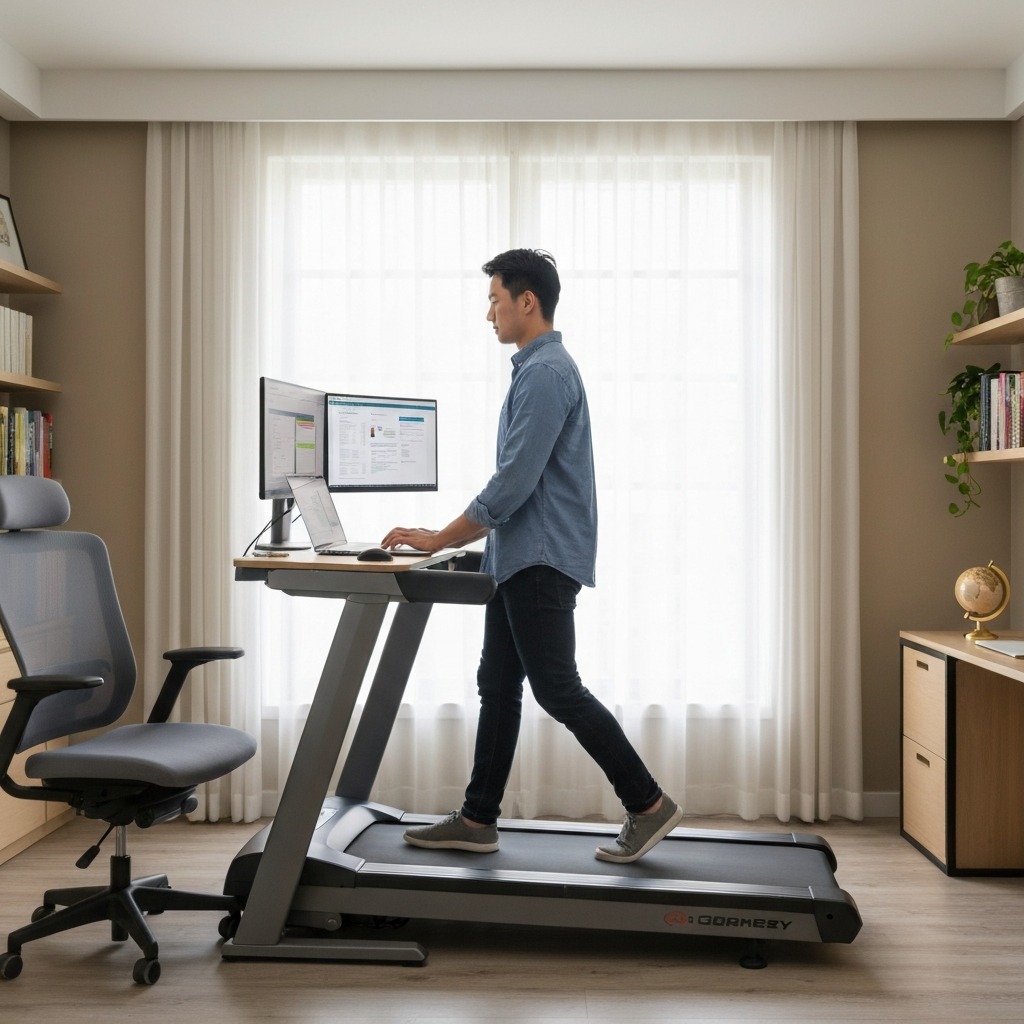
Walking pads became popular for "treadmill desks"—allowing people to walk while working or taking calls. They're ideal for casual fitness, step count targets, and sedentary jobs.
What Is a Regular Treadmill?
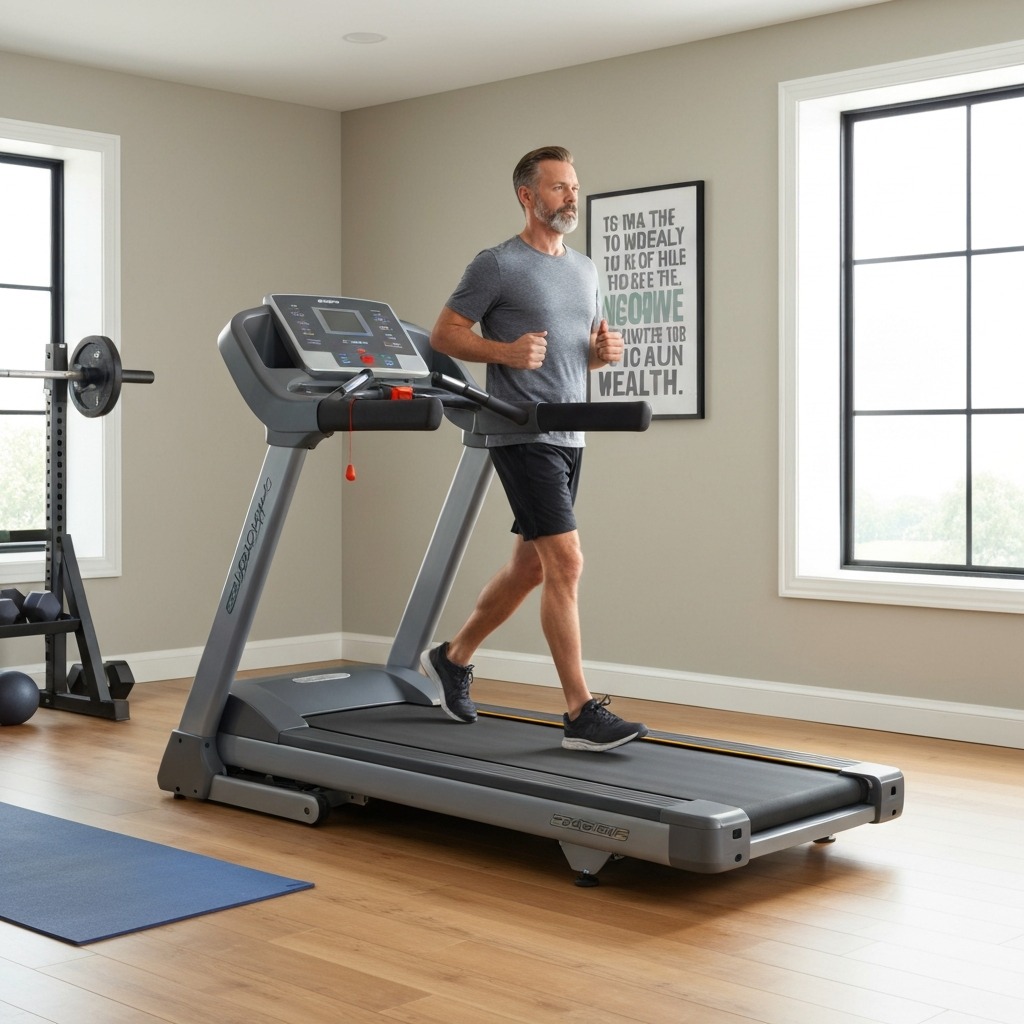
A traditional treadmill is a heavier, more robust machine designed for both walking and running.
Key characteristics:
- Motorized belt with larger motor (2–4 HP)
- Fixed frame doesn't fold
- Built-in incline (0–15% slope adjustment)
- Console with touchscreen, app integration, preset programs
- Weight: 100–300 lbs
- Shock absorption (cushioned deck to reduce joint impact)
- Higher max speed: 12–15 mph (suitable for running)
- Heavier duty for frequent/intense use
Treadmills are built for running training, high mileage, and multi-user households. They're less portable but more durable.
Space & Storage Requirements
Walking Pad Space Advantage
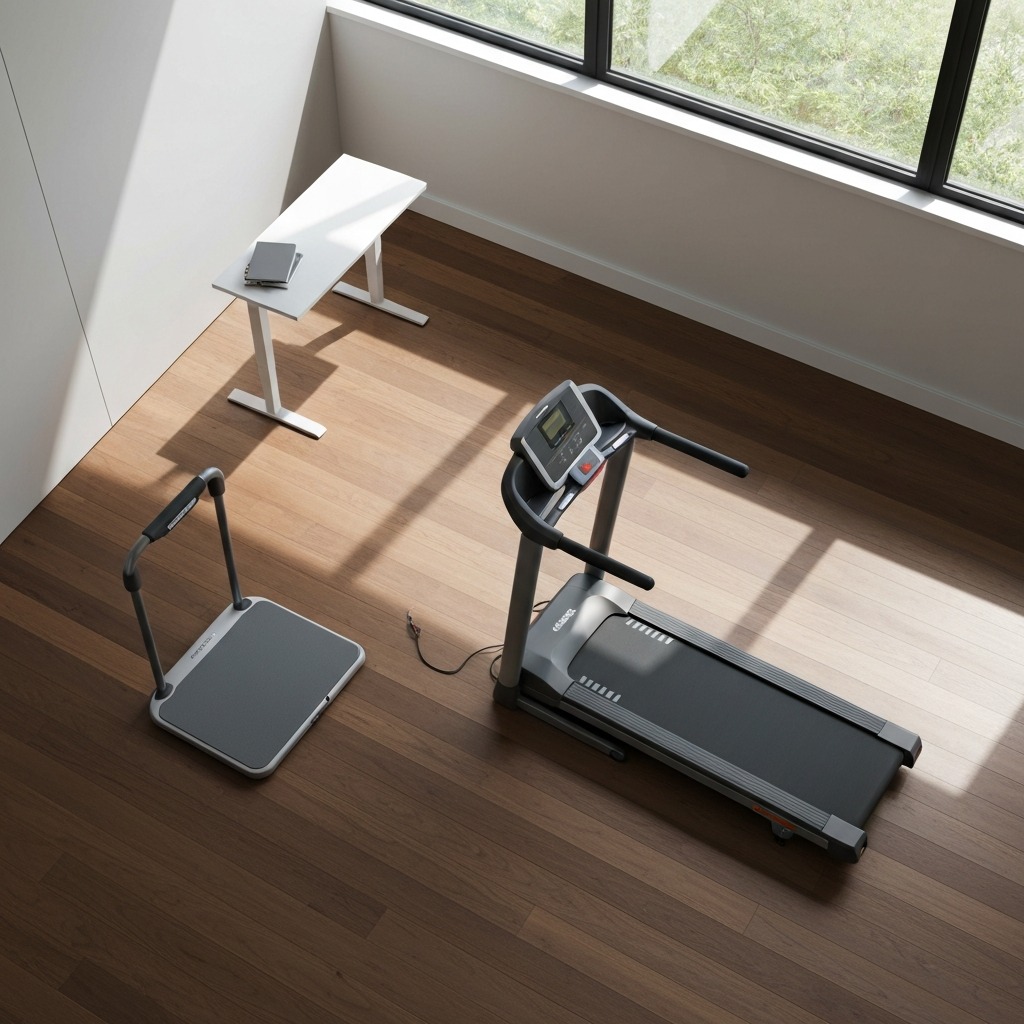
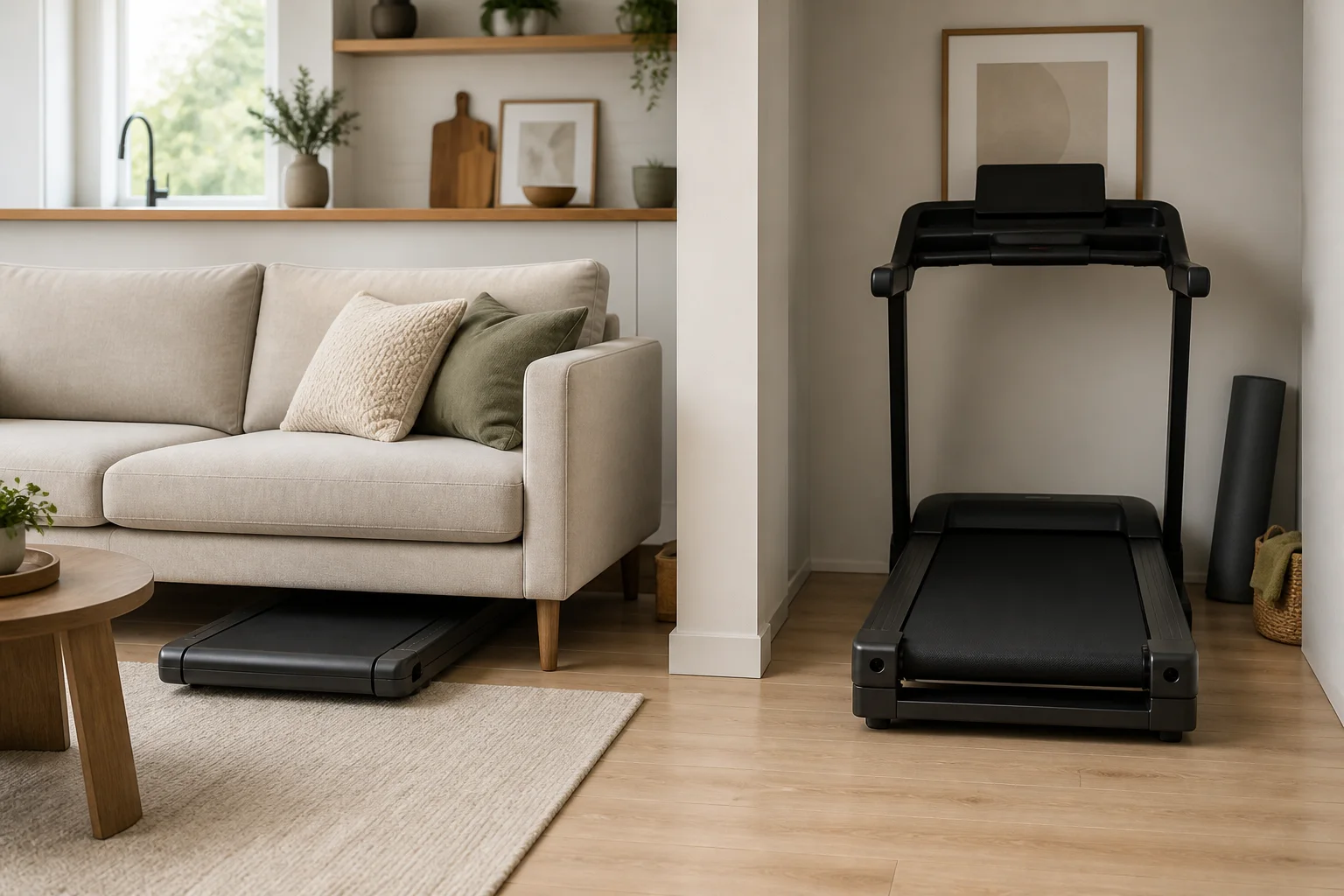
A walking pad footprint is roughly 5 feet long × 2 feet wide when in use. When folded vertically, it becomes 5 feet tall × 2.5 feet wide × 1.5 feet deep—fitting in closets, under beds, or corners.
Storage options:
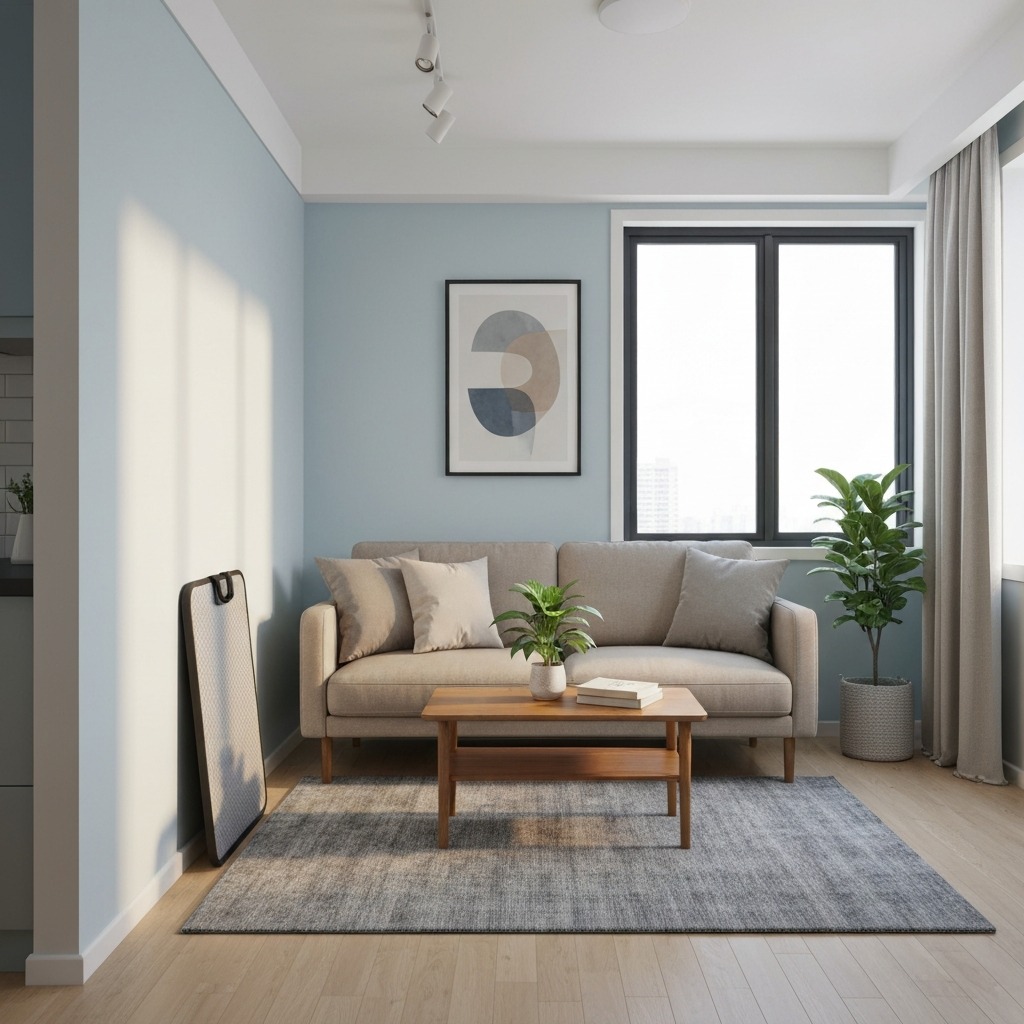
- Leaning against a wall in your bedroom
- Stored in a hall closet (fits most standard closets)
- Under the bed (low-profile models like WalkingPad A1 at 1.4" thick)
- Behind a couch
For apartments, small homes, or shared spaces, walking pads are unbeatable. You can literally hide it when guests visit.
Regular Treadmill Space Limitation
A treadmill is 6.5 feet long × 3 feet wide and typically 4 feet tall in console form. It does not fold. It stays permanently wherever you place it—usually a home gym, garage, or basement.
If you have limited space and live in an apartment, a treadmill is impractical. It dominates whatever room it's in.
Space verdict: Walking pad wins decisively for urban living.
Noise Levels: Which Is Quieter?
Walking Pad Noise
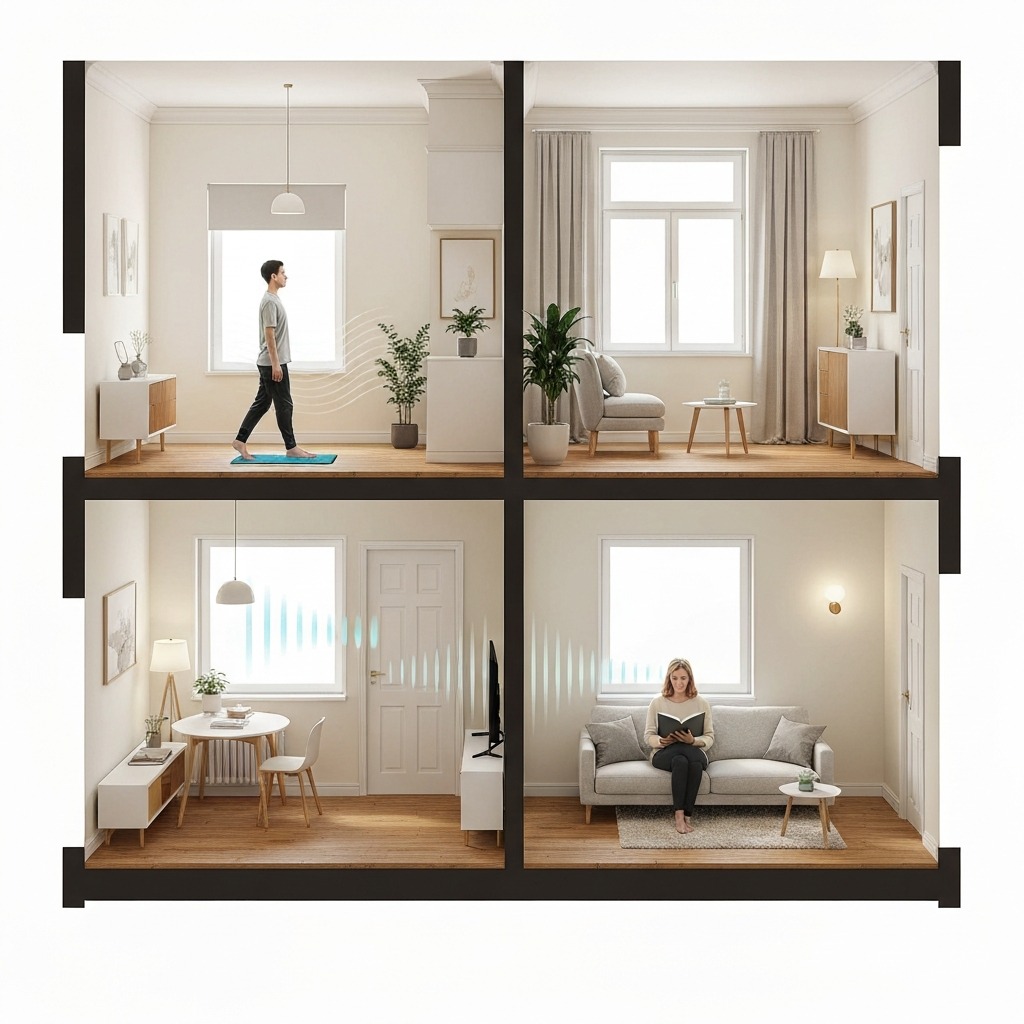
A walking pad motor is quiet. Most produce 50–60 dB when running—comparable to quiet conversation or office background noise.
Why? Walking pads have smaller motors and lower belt speed, producing less vibration and friction noise.
Real-world impact:
- You can use one in an apartment without neighbor complaints
- Safe to use early morning or late evening
- Compatible with "treadmill desk" work—you can take calls while walking
- Won't disturb sleeping family members in the next room
Regular Treadmill Noise
Traditional treadmills are louder: 65–80 dB depending on motor power, belt quality, and deck cushioning.
Why? Higher belt speeds (up to 15 mph) and heavier mechanics create more friction and vibration.
Real-world impact:
- Neighbors might complain if you run on one in an apartment
- Early morning use could wake household members
- Not suitable for phone calls or meetings
- May require a mat to reduce vibration
Noise winner: Walking pads by a significant margin.
Price Breakdown
Walking Pad Costs
| Model Tier | Price Range | What You Get |
|---|---|---|
| Budget | $150–$300 | Basic motor, LED screen, no incline, folds |
| Mid-Range | $300–$600 | Better motor, Bluetooth app, slight incline (some), warranty |
| Premium | $600–$1,200 | App integration, multiple incline levels, advanced tracking |
Popular models:
- Xioami WalkingPad A1: $300 (budget, super thin)
- LifeSpan Treadly Pro: $450 (mid-range, app sync)
- Kingsmith F1 Pro: $800 (premium, incline, advanced metrics)
Average cost: $300–$500 for a quality walking pad.
Regular Treadmill Costs
| Model Tier | Price Range | What You Get |
|---|---|---|
| Budget | $400–$800 | Basic motor, manual incline, no incline, 3–5 year warranty |
| Mid-Range | $800–$1,500 | Better cushioning, motorized incline, touchscreen, good warranty |
| Premium/Commercial | $1,500–$3,000+ | Powerful motor (4 HP+), advanced programs, financing/support |
Popular models:
- ProForm Carbon T7: $700 (budget treadmill, small footprint)
- NordicTrack T 7.0: $1,000 (mid-range, incline, app integration)
- Sole F63: $1,500 (premium home, commercial-grade motor)
Average cost: $1,000–$1,500 for a quality home treadmill.
Price verdict: Walking pads are 50–66% cheaper than comparable treadmills.
Durability & Lifespan
Walking Pad Durability
Expected lifespan: 3–5 years with typical home use (1–2 hours daily, 4–5 days/week).
Wear factors:
- Belt wear: Wear increases if used for 4+ hours daily (desk users)
- Motor degradation: Cheaper models may see motor issues after 2 years at heavy use
- Electronics: Display and Bluetooth reliability typical for consumer electronics
Maintenance:
- Lubricate belt every 100 hours (easy DIY task)
- Wipe belt for debris
- Minimal parts replacement needed
Repair cost: If motor fails, replacement is $150–$300 (often cheaper to replace entire unit).
Regular Treadmill Durability
Expected lifespan: 5–10 years with typical home use.
Why longer lifespan?
- Heavier-duty construction
- Larger motors handle more usage
- Better parts availability and support
- Commercial-grade models last 10+ years
Maintenance:
- More robust build requires less maintenance
- Belt replacement every 2–3 years if heavy use
- Motor parts more readily available
Repair cost: Belt replacement $200–$400; motor replacement $400–$800 (parts more expensive but better availability).
Durability verdict: Treadmills win for long-term value if you'll keep the equipment 5+ years.
Performance Comparison Table
<div class="product-card-info">
  <h4>Xiaomi WalkingPad A1</h4>
  <p><strong>Type:</strong> Walking Pad</p>
  <p><strong>Price:</strong> $300 USD</p>
  <p><strong>Max Speed:</strong> 4 mph</p>
  <p><strong>Weight Capacity:</strong> 220 lbs</p>
  <p><strong>Pros:</strong> Ultra-thin (1.4"), folds easily, quiet, app control</p>
  <p><strong>Cons:</strong> No incline, basic motor</p>
  <a href="https://www.amazon.com/s?k=Xiaomi+WalkingPad+A1&tag=walkingpadpicks-20" class="amazon-btn" target="_blank" rel="noopener noreferrer nofollow sponsored">Check on Amazon →</a>
</div>
<div class="product-card-info">
  <h4>ProForm Carbon T7</h4>
  <p><strong>Type:</strong> Compact Treadmill</p>
  <p><strong>Price:</strong> $700 USD</p>
  <p><strong>Max Speed:</strong> 12 mph</p>
  <p><strong>Weight Capacity:</strong> 300 lbs</p>
  <p><strong>Pros:</strong> Runs, motorized incline, touchscreen, folds partially</p>
  <p><strong>Cons:</strong> Heavier (220 lbs), noisier, takes up space</p>
  <a href="https://www.amazon.com/s?k=ProForm+Carbon+T7&tag=walkingpadpicks-20" class="amazon-btn" target="_blank" rel="noopener noreferrer nofollow sponsored">Check on Amazon →</a>
</div>
<div class="product-card-info">
  <h4>LifeSpan Treadly Pro</h4>
  <p><strong>Type:</strong> Premium Walking Pad</p>
  <p><strong>Price:</strong> $450 USD</p>
  <p><strong>Max Speed:</strong> 4.2 mph</p>
  <p><strong>Weight Capacity:</strong> 265 lbs</p>
  <p><strong>Pros:</strong> App sync, fitness tracking, quiet, folds</p>
  <p><strong>Cons:</strong> Still limited to walking speeds</p>
  <a href="https://www.amazon.com/s?k=LifeSpan+Treadly+Pro&tag=walkingpadpicks-20" class="amazon-btn" target="_blank" rel="noopener noreferrer nofollow sponsored">Check on Amazon →</a>
</div>
<div class="product-card-info">
  <h4>NordicTrack T 7.0</h4>
  <p><strong>Type:</strong> Home Treadmill</p>
  <p><strong>Price:</strong> $1,000 USD</p>
  <p><strong>Max Speed:</strong> 12.5 mph</p>
  <p><strong>Weight Capacity:</strong> 300 lbs</p>
  <p><strong>Pros:</strong> Incline, app integration, runs, durable, warranty</p>
  <p><strong>Cons:</strong> Large footprint, noise, not portable</p>
  <a href="https://www.amazon.com/s?k=NordicTrack+T+7&tag=walkingpadpicks-20" class="amazon-btn" target="_blank" rel="noopener noreferrer nofollow sponsored">Check on Amazon →</a>
</div>
<div class="product-card-info">
  <h4>Kingsmith F1 Pro</h4>
  <p><strong>Type:</strong> Premium Walking Pad</p>
  <p><strong>Price:</strong> $800 USD</p>
  <p><strong>Max Speed:</strong> 4.5 mph</p>
  <p><strong>Weight Capacity:</strong> 280 lbs</p>
  <p><strong>Pros:</strong> Incline (3–5%), app integration, advanced metrics</p>
  <p><strong>Cons:</strong> Expensive, still limited to walking</p>
  <a href="https://www.amazon.com/s?k=Kingsmith+F1+Pro&tag=walkingpadpicks-20" class="amazon-btn" target="_blank" rel="noopener noreferrer nofollow sponsored">Check on Amazon →</a>
</div>
<div class="product-card-info">
  <h4>Sole F63</h4>
  <p><strong>Type:</strong> Premium Treadmill</p>
  <p><strong>Price:</strong> $1,500 USD</p>
  <p><strong>Max Speed:</strong> 12 mph</p>
  <p><strong>Weight Capacity:</strong> 400 lbs</p>
  <p><strong>Pros:</strong> Excellent cushioning, commercial-grade, 10-year warranty</p>
  <p><strong>Cons:</strong> Large footprint, very heavy (300+ lbs), expensive</p>
  <a href="https://www.amazon.com/s?k=Sole+F63&tag=walkingpadpicks-20" class="amazon-btn" target="_blank" rel="noopener noreferrer nofollow sponsored">Check on Amazon →</a>
</div>
Safety & Weight Capacity
Walking Pad Safety
Most walking pads have a weight capacity of 220–280 lbs. They include:
- Auto-stop feature if you fall off (safety belt detection)
- Low platform (4–6 inches), reducing fall injury risk
- Slower max speed (4 mph) means injuries are less severe
Who fits: Most adults and many older adults.
Risk factors:
- Falling off the side at higher speeds (low risk given max 4 mph)
- Entanglement in loose clothing or hair (rare, but possible)
Regular Treadmill Safety
Treadmills support weight capacity of 250–400 lbs and include:
- Auto-stop safety clip (required by law)
- Handrails for stability
- Higher platform (8–12 inches), raising fall risk
- Faster max speeds (12+ mph) mean injury severity is higher
Who fits: Broader range due to higher capacity.
Risk factors:
- Higher fall risk due to elevation and speed
- Higher injury severity if you fall
- Treadmill belt entanglement at high speed (rare, serious if it happens)
Safety verdict: Walking pads are safer for casual users; treadmills are safer for runners (due to handrails and stability).
User Experience: Real Feedback
Walking Pad Reviews (Aggregated)
| Source | Rating | Key Quote |
|---|---|---|
| Amazon Walking Pads | ⭐⭐⭐⭐ 4.3/5 | "Best buy for my apartment. Fits behind the couch. I walk 2+ hours daily." |
| Reddit r/HomeGym | Consensus: Great for casual | "Perfect for work-from-home. Quiet enough for video calls." |
| Desk Walking Communities | ⭐ 4.6/5 | "Increased daily step count by 8,000. No regrets." |
Common praise: Quiet, compact, affordable, good for increasing daily movement.
Common complaints: Limited to walking, motor degradation after 2 years, no incline.
Regular Treadmill Reviews (Aggregated)
| Source | Rating | Key Quote |
|---|---|---|
| Amazon Treadmills | ⭐⭐⭐⭐ 4.1/5 | "Solid machine. Can run comfortably. Runs quietly for its price." |
| Reddit r/running | Consensus: Good for training | "Decent for winter training. Cushioning helps joints." |
| Fitness Equipment Forums | ⭐ 4.4/5 | "Worth the investment. Still using after 6 years." |
Common praise: Durable, good for running training, multi-user capable, long-term value.
Common complaints: Space-consuming, expensive, noisy, takes up living space.
Frequently Asked Questions
Can I run on a walking pad?
No. Walking pads max out at 4 mph (a fast walk). Running requires 6–8 mph minimum. If you want to run, you need a treadmill. That said, many people find walking pads excellent for maintaining fitness without running impact on joints.
Which burns more calories: walking pad or treadmill?
At the same speed (e.g., 3.5 mph), calorie burn is identical. However, treadmills enable running (12+ mph), which burns calories faster. Walking pad users often compensate by walking longer or at incline (if the model supports it).
How quiet is a walking pad vs treadmill?
Walking pads: 50–60 dB (quiet conversation level). Treadmills: 65–80 dB (loud to very loud). Walking pads are significantly quieter—you can use one during early morning or late evening without disturbing neighbors.
Is a walking pad good enough for weight loss?
Yes. Consistent walking (1–2 hours daily) combined with diet changes leads to weight loss. Walking pads make it easy to accumulate steps while working or watching TV. The key is consistency, not intensity.
Which lasts longer: walking pad or treadmill?
Treadmills typically last 5–10 years; walking pads last 3–5 years. However, this depends on usage. A walking pad used 2 hours daily might last only 2–3 years; a treadmill used 30 minutes daily could last 8+ years.
Can I desk-walk on a treadmill?
Technically yes, but it's difficult. Treadmills are large and not designed for desk heights. Most people find walking pads much better for this use case—they're shorter and more stable for phone calls or work.
What's the actual space difference?
Walking pad footprint: 5' × 2' (10 sq ft). Treadmill footprint: 6.5' × 3' (19.5 sq ft). Walking pads take roughly 50% less space.
Our Verdict
Choose a walking pad if you:
- Live in an apartment with limited space ✅
- Want to walk while working or studying ✅
- Have a tight budget ($300–$500) ✅
- Prefer quiet exercise ✅
- Walk casually (not training for marathons) ✅
Choose a regular treadmill if you:
- Want to run or train seriously ✅
- Have space for a permanent machine ✅
- Need higher weight capacity (300+ lbs) ✅
- Want long-term durability (5+ years) ✅
- Use it as your primary cardio tool ✅
For most people in 2026: If you're in an apartment or value space, a walking pad is the smarter buy. They're affordable, quiet, and excellent for daily movement. If you're serious about running or have a dedicated home gym space, a treadmill is worth the investment.
Sources & Methodology
This comparison is based on:
Evidence note: This comparison uses manufacturer specifications, published research, and independently reported owner feedback. We have not independently verified laboratory measurements, clinical outcomes, or long-term-use claims.
Affiliate disclosure: This post contains affiliate links. We may earn a commission if you purchase through Amazon links at no extra cost to you.
Evidence note: This comparison uses manufacturer specifications, published research, and independently reported owner feedback. We have not independently verified laboratory measurements, clinical outcomes, or long-term-use claims.
Visual Guide Gallery